What Actually Happens After a Data Breach Hits a Community Organisation
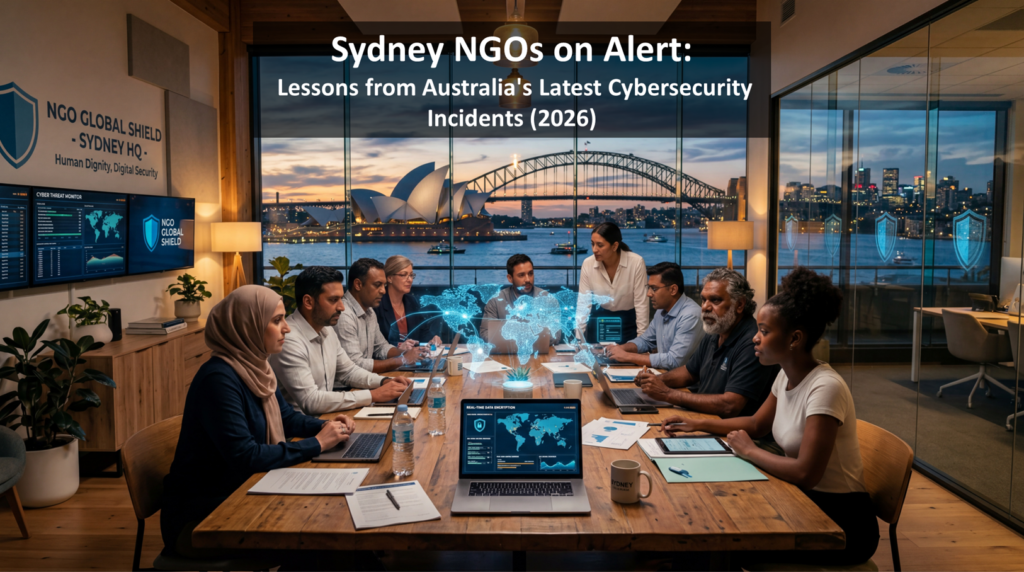
There is a version of a data breach that most people imagine — a dramatic moment, a flashing alert, an immediate shutdown. The reality for most small and medium organisations, including NGOs, looks nothing like that. It tends to be quieter, slower, and considerably more expensive in ways that do not show up on a balance sheet.
Understanding what
actually unfolds after a breach helps you make better decisions before one ever
happens. And for Sydney's community sector, where staffing is lean and budgets
are stretched, preparation is almost always cheaper than response.
The first 24 to 72 hours are the most disorienting
When a breach is
detected — often by accident rather than by design — the immediate challenge is
not fixing it. It is understanding what happened. Which systems were accessed?
What data was involved? How long has the attacker had access? These questions take
time to answer, and while they are being investigated, your operations may need
to slow down or stop entirely. For an NGO running active support programmes,
that operational pause has real consequences for the people relying on your
services.
Notification obligations arrive quickly
Australia's privacy
framework requires eligible organisations to notify both the Office of the
Australian Information Commissioner and the affected individuals once a breach
is confirmed. That process has to happen promptly — and it requires careful
communication that neither overstates nor understates what occurred. Writing
that notification, getting legal sign-off if needed, and managing the incoming
responses from affected clients all land on your team at the same time as the
technical investigation.
Reputational damage moves faster than your response
Word travels. If
clients, donors, or partner organisations hear about a breach before you have
communicated with them directly, the story is already being shaped without your
input. Community trust — which takes years to build inside a not-for-profit — can
be fractured quickly when people feel they were not told what happened to their
personal information. This is not a hypothetical risk. It is a consistent
pattern seen in breach incidents across Australia's community sector in recent
years.
Recovery costs more than prevention
Forensic investigation,
legal fees, staff overtime, system rebuilds, and the cost of notifying affected
individuals all add up in ways that most NGOs have not budgeted for. None of
those costs appear when an organisation invests in cybersecurity for NGOs in
Sydney before something goes wrong. The comparison is not
comfortable, but it is accurate.
What organisations wish they had done beforehand
The most common
reflection from organisations that have been through a breach is consistent:
they wish they had tested their systems before an attacker did. A structured
penetration testing and vulnerability assessment identifies the exact gaps that
real-world attackers look for — misconfigured access controls, unpatched
software, weak authentication, and exposed data paths — before those gaps are
exploited.
For NGO directors and IT
decision makers in Sydney, the question is not whether a breach is possible. It
is whether your organisation is in a position to detect one early, respond
effectively, and protect the people whose data you hold.
For practical steps your
team can take immediately, this guide on building acyber-safe NGO culture covers the internal habits
that reduce risk from the inside out.
To connect with the Byteway team directly, find us here.


Comments
Post a Comment